I love this recipe because the shrimp cook incredibly quickly while still looking impressive enough for entertaining. Butterflying each shrimp helps me create a wide, attractive shape and gives the seasoned breading plenty of room to become crunchy and golden.
I also like the combination of panko breadcrumbs and seafood seasoning. The panko gives me a lighter, crispier coating than traditional breadcrumbs, while the Old Bay, fresh lemon zest, and parsley bring extra flavor to every bite.
Another reason I make these shrimp is their versatility. I can serve them as an appetizer with dipping sauces, add them to salads, or turn them into part of a larger seafood meal. A squeeze of fresh lemon just before serving makes them especially delicious.
Ingredients
(Note: All ingredient amounts are listed in the recipe card below.)
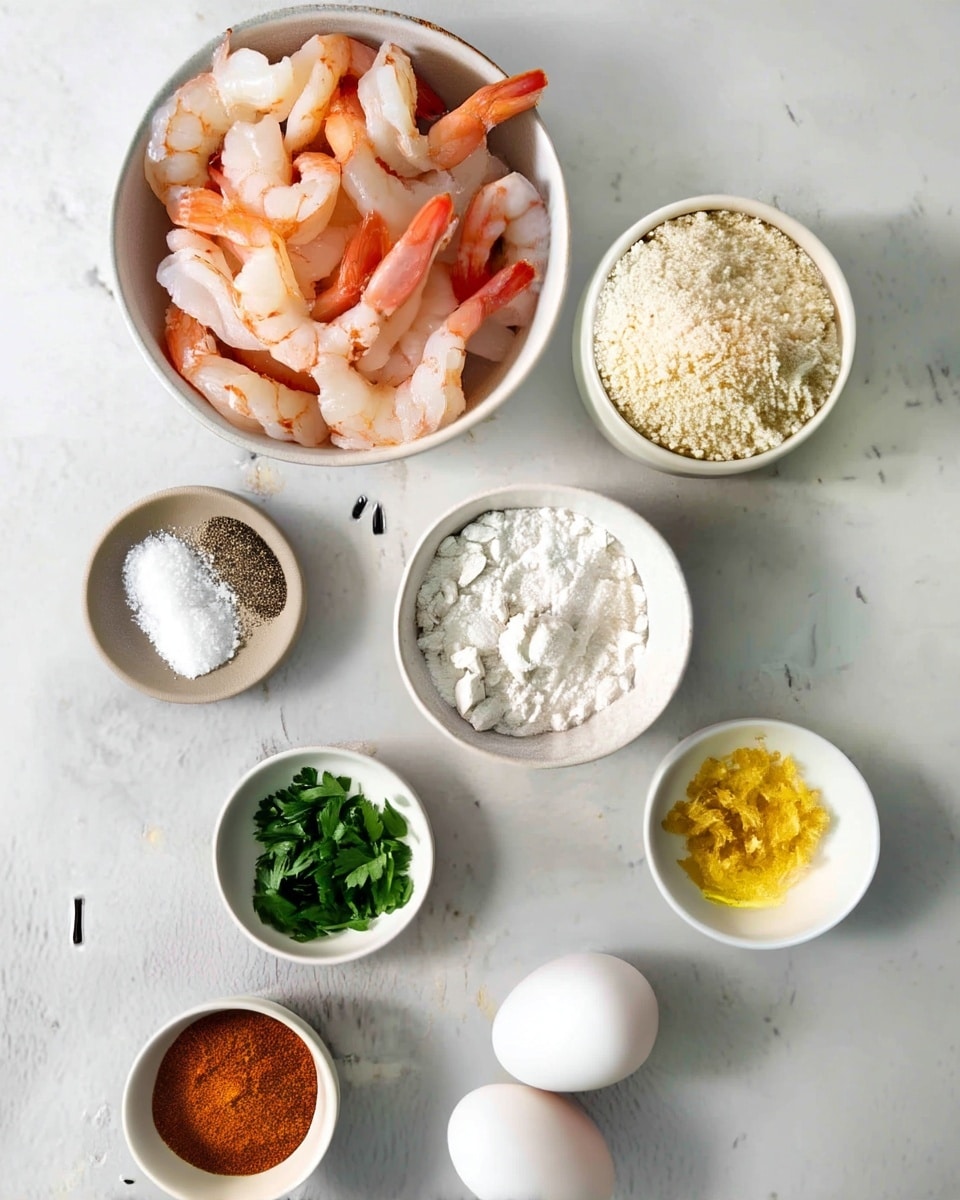
1 pound large (20-25 count) raw shrimp with tails on, peeled and deveined
1 teaspoon Morton kosher salt
½ teaspoon black pepper
½ cup all-purpose flour
2 large eggs
1 cup panko breadcrumbs
2 tablespoons Old Bay seafood seasoning, or your own favorite seafood seasoning
1 tablespoon fresh lemon zest
1 tablespoon fresh minced parsley
oil, for frying
fresh lemon wedges, for serving
Directions
I start by butterflying the shrimp. Using a sharp paring knife, I slice each shrimp along the back, following the outside curve where the black vein was. I cut about halfway through the shrimp without slicing all the way through. Then I use my thumbs to gently open and flatten the shrimp along the cut. I repeat with all the shrimp and pat them dry with a paper towel.
I season the butterflied shrimp with the Morton kosher salt and black pepper.
Next, I prepare three separate bowls for breading. I add the flour to the first bowl. In the second bowl, I beat the eggs. In the third bowl, I combine the panko breadcrumbs, Old Bay seafood seasoning, lemon zest, and fresh minced parsley.
I dredge each butterflied shrimp in the flour and gently shake off the excess. Holding the shrimp by its tail, I dip the body into the beaten egg while keeping the tail out of the egg.
Then I roll the shrimp in the panko mixture, making sure the entire egg-coated surface is covered. I lightly press the panko onto the shrimp when needed so the coating adheres well. I place the breaded shrimp on a plate and repeat the process with the remaining shrimp.
I add about an inch of oil to a large Dutch oven and heat it over medium to medium-high heat until the oil reaches 350°F.
Once the oil is hot, I carefully add a few shrimp without overcrowding the pan. I fry them for 2 to 4 minutes, flipping them approximately every minute, until the coating is crisp and golden brown and the shrimp are cooked through.
I transfer the cooked shrimp to a wire rack set inside a rimmed pan, or I place them on a paper towel-lined plate. I continue frying the remaining shrimp in batches, allowing the oil to return to the proper temperature as necessary.
I serve the shrimp hot with a sprinkle of fresh parsley and fresh lemon wedges for squeezing over the top. I also like serving them with tartar sauce, cocktail sauce, or shrimp dipping sauce.
Servings and Timing
This recipe makes 4 servings.
The prep time is 20 minutes, and the cook time is approximately 10 minutes. The listed total time is 25 minutes, making this a relatively quick seafood recipe that I can prepare when I want something crispy and impressive without spending hours in the kitchen.
Because each batch of shrimp only needs about 2 to 4 minutes in the hot oil, I make sure everything else I plan to serve is ready before I start frying.
Variations
I can easily change the seasoning depending on the flavors I want. Instead of Old Bay, I can use another favorite seafood seasoning or a Cajun-style seasoning for a spicier result.
When I want more heat, I add a little cayenne pepper or crushed red pepper to the panko mixture. I can also add garlic powder or smoked paprika for a deeper savory flavor.
For an extra-herby coating, I increase the fresh parsley or mix in another finely chopped fresh herb that pairs well with seafood.
I can also change the dipping sauces depending on how I serve the shrimp. Cocktail sauce gives me a classic pairing, tartar sauce adds creamy tanginess, and a creamy shrimp dipping sauce makes the dish feel especially indulgent.
For a full meal, I like serving these butterfly shrimp alongside fries, coleslaw, rice, roasted vegetables, or a fresh green salad.
Storage/Reheating
I think Fried Butterfly Shrimp taste best immediately after frying, when the panko coating is at its crispiest. If I have leftovers, however, I let them cool and transfer them to an airtight container before refrigerating them.
I keep leftover cooked shrimp refrigerated and use them within 3 to 4 days.
For reheating, I avoid the microwave whenever possible because it can make the crispy breading soft. Instead, I reheat the shrimp in a 375°F oven or air fryer until they are hot and the coating has crisped again.
If I use an air fryer, I arrange the shrimp in a single layer so the hot air can circulate around them. I check them frequently because already-cooked shrimp can become tough if reheated for too long.
I do not leave cooked shrimp sitting at room temperature for extended periods. When I am serving them at a gathering, I keep food-safety timing in mind and refrigerate leftovers promptly.
FAQs
What does it mean to butterfly shrimp?
I butterfly shrimp by making a lengthwise cut along the back without cutting completely through the flesh. I then gently open the shrimp along that cut so it becomes wider and flatter. This gives me an attractive presentation and creates more surface area for the crispy coating.
Do I need to remove the shrimp tails?
I leave the tails attached for this recipe. I find that the tails make the butterfly shrimp easier to handle during breading and frying, and they also give the finished shrimp a classic restaurant-style presentation.
Why do I pat the shrimp dry before breading?
I pat the shrimp dry because excess moisture can prevent the flour and breading from adhering properly. Starting with relatively dry shrimp helps me get a more even, crispy coating.
Why do I use panko breadcrumbs?
I use panko because its larger, lighter flakes create an especially crunchy exterior. I find that panko gives fried shrimp a crisp texture without making the coating feel overly dense.
What temperature should the frying oil be?
I heat the frying oil to 350°F. Maintaining the proper temperature helps me achieve a crisp, golden coating while allowing the shrimp to cook quickly. If the oil is too cool, I can end up with a greasier coating.
How do I know when butterfly shrimp are cooked?
I look for a crisp, golden-brown coating and shrimp that have turned opaque inside. Since shrimp cook quickly, I watch them closely and avoid leaving them in the hot oil longer than necessary.
Can I use frozen shrimp?
I can use frozen raw shrimp after thawing them completely. I drain them well and pat them thoroughly dry before butterflying, seasoning, and breading them.
What oil can I use for frying shrimp?
I choose a neutral oil suitable for high-temperature frying. Vegetable, canola, or peanut oil can work well because I want an oil that can handle the 350°F frying temperature without adding an overpowering flavor.
What can I serve with Fried Butterfly Shrimp?
I like serving these shrimp with fresh lemon wedges and dipping sauces such as tartar sauce, cocktail sauce, or shrimp dipping sauce. For a larger meal, I can pair them with fries, coleslaw, rice, vegetables, or salad.
How can I keep the shrimp crispy while frying multiple batches?
I transfer each finished batch to a wire rack rather than stacking the shrimp on top of one another. The rack allows excess oil to drain while air circulates underneath, helping me preserve the crispy panko coating while I finish frying the remaining batches.
Conclusion
Fried Butterfly Shrimp is one of those recipes I can prepare quickly while still creating an impressive presentation. I love the contrast between the juicy, tender shrimp and the crunchy panko coating flavored with Old Bay, fresh lemon zest, and parsley. Whether I serve these shrimp as a party appetizer, a crispy salad topper, or part of a seafood dinner, I find that they are at their best served hot with fresh lemon wedges and a flavorful dipping sauce.
Crispy Fried Butterfly Shrimp coated in seasoned panko with Old Bay, fresh lemon zest, and parsley. The shrimp stay tender and juicy inside while becoming beautifully golden and crunchy outside.
Ingredients
1 pound large (20–25 count) raw shrimp with tails on, peeled and deveined
1 teaspoon Morton kosher salt
½ teaspoon black pepper
½ cup all-purpose flour
2 large eggs
1 cup panko breadcrumbs
2 tablespoons Old Bay seafood seasoning, or your own favorite seafood seasoning
1 tablespoon fresh lemon zest
1 tablespoon fresh minced parsley
Oil, for frying
Fresh lemon wedges, for serving
Instructions
Butterfly each shrimp by using a sharp paring knife to cut along the back, following the outside curve where the vein was removed. Cut about halfway through without slicing completely through the shrimp, then gently open and flatten it. Repeat with all the shrimp and pat them thoroughly dry with paper towels.
Season the butterflied shrimp with the kosher salt and black pepper.
Prepare three breading bowls. Place the flour in the first bowl, beat the eggs in the second bowl, and combine the panko breadcrumbs, Old Bay seasoning, lemon zest, and minced parsley in the third bowl.
Dredge each shrimp in the flour and gently shake off the excess. Holding it by the tail, dip the body of the shrimp into the beaten egg while keeping the tail out of the egg.
Coat the egg-dipped shrimp thoroughly in the seasoned panko mixture, lightly pressing the crumbs onto the surface so they adhere. Place on a plate and repeat with the remaining shrimp.
Add about 1 inch of frying oil to a large Dutch oven and heat over medium to medium-high heat until the oil reaches 350°F.
Carefully add a few breaded shrimp to the hot oil without overcrowding the pan. Fry for 2 to 4 minutes, turning approximately every minute, until the coating is crisp and golden brown and the shrimp are opaque and cooked through.
Transfer the fried shrimp to a wire rack set inside a rimmed pan or to a paper towel-lined plate. Continue frying the remaining shrimp in batches, allowing the oil to return to 350°F between batches as necessary.
Serve immediately with additional fresh parsley and lemon wedges. Serve with tartar sauce, cocktail sauce, or a favorite shrimp dipping sauce if desired.
Notes
Pat the shrimp thoroughly dry before breading to help the coating adhere and become crisp.
Frozen raw shrimp can be used after they are completely thawed, drained, and dried.
Vegetable, canola, or peanut oil are suitable neutral oils for frying.
Maintain an oil temperature of about 350°F for a crisp coating that does not become excessively greasy.
For extra heat, add cayenne pepper or crushed red pepper to the panko mixture. Garlic powder or smoked paprika can also be added for additional savory flavor.
Transfer fried shrimp to a wire rack and avoid stacking them to help preserve their crispy coating between batches.
Serve with fries, coleslaw, rice, roasted vegetables, or a green salad for a complete meal.
Store cooled leftovers in an airtight container in the refrigerator for up to 3 to 4 days.
Reheat leftovers in a 375°F oven or air fryer until hot and crisp. Avoid microwaving when possible because it can soften the breading.