Why You’ll Love Aloo Paratha – Soft and Delicious Indian Stuffed Flatbread Recipe
Soft and flavorful: I love the combination of tender flatbread and spiced potatoes.
Simple ingredients: I use basic pantry staples.
Filling and satisfying: I enjoy it as a hearty breakfast or lunch.
Easy to customize: I can adjust the spices and vegetables.
Perfect for meal prep: I can prepare the dough and filling ahead of time.
Versatile: I serve it with yogurt, chutney, or Indian pickles.
Ingredients
(Note: All ingredient amounts are listed in the recipe card below.)
For The Dough
2 C Whole What Flour / Atta
1 Pinch Salt
1 Tbsp Oil/Ghee Optional
Water – As Needed
For The Filling
3 – 4 Potatoes ( Medium )
1/2 Tsp Cumin
A Few Coriander Leaves
1 Green Chili To Taste
1/2 Tsp Salt
1 -2 Tsp Lemon Juice
1 Tbsp Kasoori Methi (Optional)
To make
Flour – As Needed For Dusting
Oil
Directions
Step 1: Prepare the Potato Filling
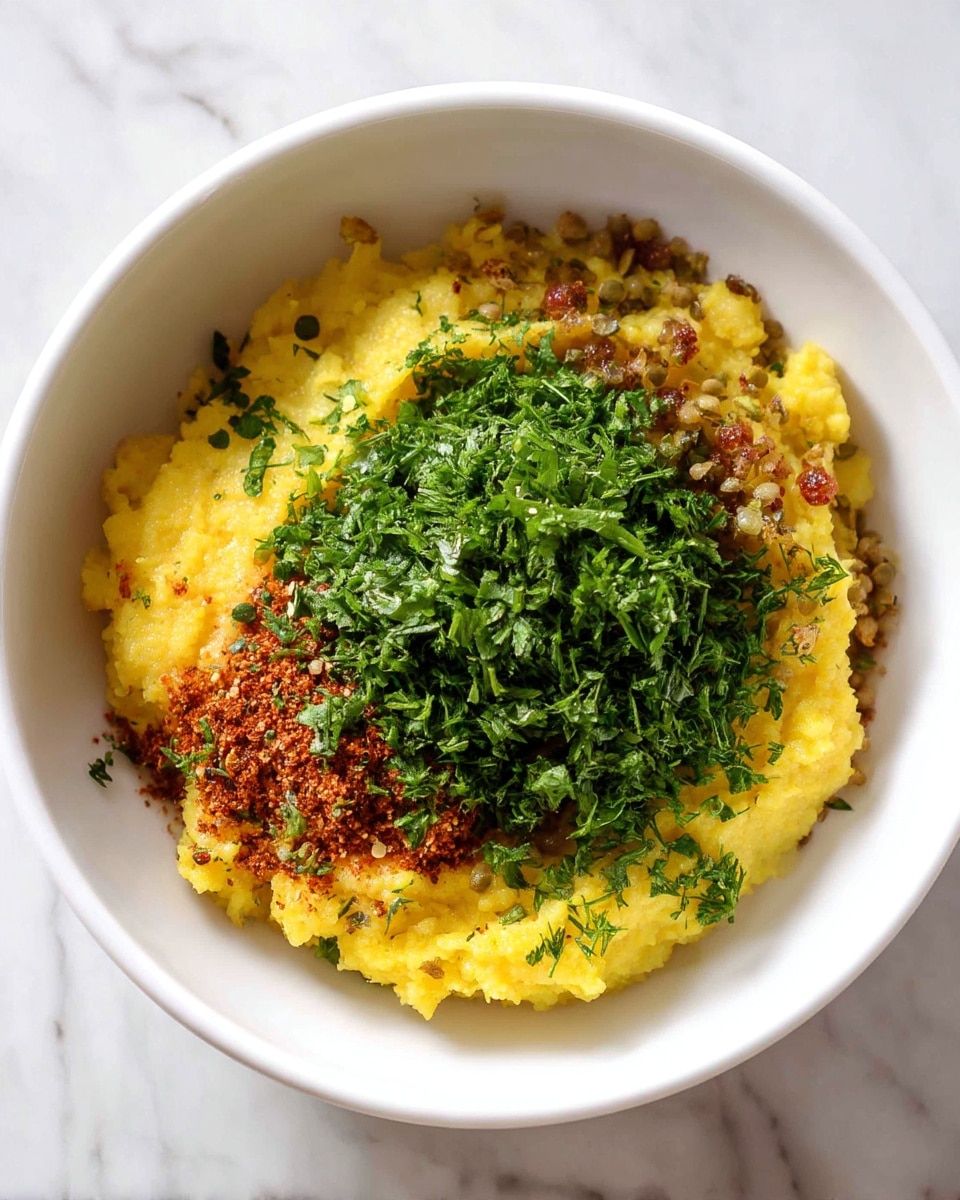
I boil and peel the potatoes, then mash about 2 cups until smooth. I add crushed cumin, salt, finely chopped coriander leaves, green chili, lemon juice, and optional kasoori methi. I mix well and adjust the seasoning.
Step 2: Make the Dough
I combine the whole wheat flour and salt in a bowl. I add oil or ghee if using, then gradually mix in water until a soft, smooth dough forms. I cover it and let it rest for 15 minutes.
Step 3: Divide the Dough and Filling
I divide the dough into 8 equal balls and separate the potato filling into 8 portions.
Step 4: Stuff and Roll
I flatten each dough ball into a small disc, place the potato filling in the center, and pinch the edges closed. I lightly dust the surface with flour and gently roll it into an approximately 8-inch circle, about ⅛ inch thick.
Step 5: Cook the Paratha
I heat a tawa or heavy skillet over medium-high heat and lightly brush it with oil. I place the paratha on the hot surface and cook for about 1 minute.
I brush the top with oil, flip, and cook until golden-brown spots appear on both sides, flipping as needed.
Step 6: Serve
I serve the Aloo Paratha warm with yogurt, butter, chutney, or pickles. I repeat the process with the remaining dough and filling.
Servings and Timing
Prep Time: 30 minutes
Cook Time: 15 minutes
Total Time: 1 hour
Yield: 8 parathas
Course: Breakfast
Cuisine: Indian
Method: Stovetop
I find this recipe makes approximately 8 parathas, enough for 4 servings when serving 2 per person.
Variations
Spicy Aloo Paratha
I add extra green chili or red chili powder for more heat.
Onion Aloo Paratha
I mix finely chopped onions into the potato filling for extra flavor and texture.
Vegetable Aloo Paratha
I add grated carrots or mashed cooked peas to make the filling more colorful.
Tangy Aloo Paratha
I replace lemon juice with amchoor or anardana for a traditional tangy flavor.
Masala Aloo Paratha
I add garam masala and black salt for a deeper, more aromatic taste.
Storage/Reheating
Refrigerator: I store cooked parathas in an airtight container for up to 3–4 days.
Freezer: I separate the parathas with parchment paper and freeze them for up to 2 months.
Stovetop: I reheat them in a hot skillet for 1–2 minutes per side until warmed through.
Microwave: I warm individual parathas for 20–30 seconds, although I prefer the skillet for better texture.
I keep freshly cooked parathas covered to maintain their softness.
FAQs
1. Can I Make Aloo Paratha Ahead of Time?
Yes, I prepare the dough and potato filling in advance and refrigerate them separately.
2. What Flour Works Best for Aloo Paratha?
I prefer whole wheat atta because it creates soft, flexible flatbreads.
3. Why Does My Paratha Tear While Rolling?
I make sure the potato filling is smooth, the dough is soft, and I roll gently without applying too much pressure.
4. Can I Make Aloo Paratha Without Oil?
Yes, I can cook it on a dry skillet, although I prefer a little oil or ghee for flavor.
5. What Should I Serve with Aloo Paratha?
I enjoy serving it with plain yogurt, raita, chutney, butter, or Indian pickles.
6. Can I Use Leftover Mashed Potatoes?
Yes, I use leftover mashed potatoes if they aren’t too wet or heavily seasoned.
7. How Do I Keep Aloo Paratha Soft?
I knead the dough until smooth, allow it to rest, and keep cooked parathas covered.
8. Can I Freeze Uncooked Aloo Paratha?
Yes, I freeze rolled parathas between parchment sheets and cook them directly from frozen.
9. How Do I Know When Aloo Paratha Is Cooked?
I look for light golden-brown spots on both sides and make sure the dough is fully cooked.
10. Can I Make Aloo Paratha Less Spicy?
Yes, I reduce or omit the green chili while keeping the other seasonings.
Conclusion
Aloo Paratha is a delicious and satisfying Indian flatbread filled with warmly spiced potatoes. I love its soft texture, golden exterior, and comforting flavor. Whether I serve it for breakfast, lunch, or dinner, this easy homemade recipe is always a wonderful addition to my table.
Aloo Paratha is a traditional Indian stuffed flatbread made with soft whole wheat dough and a flavorful filling of mashed potatoes, cumin, fresh coriander, and green chili. Cooked on a hot skillet until golden and lightly crispy, these comforting parathas are perfect for breakfast, lunch, or dinner with yogurt, chutney, or Indian pickles.
Ingredients
For the Dough:
2 cups whole wheat flour (atta)
1 pinch salt
1 tablespoon oil or ghee (optional)
Water, as needed to form a soft dough
For the Potato Filling:
3–4 medium potatoes, boiled and peeled (approximately 2 cups mashed)
Boil and mash the potatoes: Wash the potatoes and boil them in a pot of water until completely tender. Drain, allow them to cool slightly, and peel. Mash thoroughly until smooth and free of large lumps. Measure approximately 2 cups of mashed potatoes for the filling.
Season the potato filling: Add the lightly crushed cumin seeds, finely chopped coriander leaves, green chili, salt, lemon juice, and optional kasoori methi to the mashed potatoes. Mix thoroughly until all the seasonings are evenly distributed. Taste and adjust the salt, chili, or lemon juice as desired. Set the filling aside to cool completely.
Prepare the dough: In a large mixing bowl, combine the whole wheat flour and a pinch of salt. Add the optional oil or ghee and mix with your fingertips. Gradually add water, a little at a time, while mixing until a soft dough forms.
Knead and rest the dough: Transfer the dough to a clean work surface and knead for approximately 5–7 minutes until smooth, soft, and elastic. Cover with a damp kitchen towel or plastic wrap and allow it to rest for 15 minutes. Resting makes the dough easier to roll and helps create softer parathas.
Divide the dough and filling: After resting, knead the dough briefly and divide it into 8 equal portions. Roll each portion into a smooth ball. Divide the prepared potato filling into 8 equal portions so each paratha contains a similar amount of filling.
Flatten the dough: Lightly dust a clean rolling surface with whole wheat flour. Take one dough ball and flatten it with your fingers or a rolling pin into a small disc, approximately 4–5 inches wide, keeping the center slightly thicker than the edges.
Stuff the paratha: Place one portion of the seasoned potato filling in the center of the dough disc. Carefully bring the edges of the dough together over the filling, gathering and pinching them securely to seal. Gently flatten the stuffed ball with your palm.
Roll the stuffed paratha: Lightly dust the stuffed dough with flour and gently roll it into an approximately 8-inch circle, about 1/8 inch thick. Apply even, gentle pressure to prevent the potato filling from breaking through the dough. Add a little more flour for dusting if needed.
Heat the skillet: Place a tawa, cast-iron skillet, or heavy nonstick pan over medium-high heat. Allow it to become hot, then lightly brush the surface with oil if desired.
Cook the first side: Carefully transfer the rolled paratha to the hot skillet. Cook for approximately 1 minute, or until small bubbles begin to appear and the underside develops light golden spots.
Flip and add oil: Flip the paratha using a spatula. Lightly brush the cooked surface with oil or ghee. Cook the second side until golden-brown spots begin to form, then flip again as needed.
Finish cooking: Gently press the edges and surface of the paratha with a spatula to encourage even cooking. Continue flipping until both sides develop golden-brown spots and the dough is completely cooked. Remove from the skillet and keep warm.
Repeat with the remaining dough: Continue stuffing, rolling, and cooking the remaining 7 parathas. Stack the cooked parathas on a plate and cover with a clean kitchen towel to keep them warm and soft.
Serve warm: Serve the freshly cooked Aloo Paratha with plain yogurt, raita, butter, chutney, or traditional Indian pickles. Enjoy as a hearty breakfast, lunch, or dinner.
Notes
Recipe yield: This recipe makes approximately 8 medium-sized Aloo Parathas, enough for 4 servings when serving 2 parathas per person.
Best flour: Whole wheat atta is ideal for authentic Aloo Paratha because its fine texture produces soft, flexible flatbreads that are easy to stuff and roll.
Dough consistency: The dough should be soft, smooth, and pliable without being excessively sticky. Add water gradually to avoid making it too wet.
Resting the dough: Allow the dough to rest for at least 15 minutes before rolling. This helps relax the gluten and prevents the dough from shrinking.
Potato preparation: Boil the potatoes until completely tender and mash them thoroughly. Large potato lumps can tear the dough while rolling.
Cool the filling: Let the mashed potato filling cool before stuffing. Warm or overly moist filling can make the dough difficult to handle.
Prevent tearing: Roll gently with even pressure, avoid overstuffing, and use a light dusting of flour to prevent sticking.
Seal the edges: Pinch the dough edges securely around the potato filling to prevent leakage during rolling and cooking.
Spicy Aloo Paratha: Add extra finely chopped green chili or a pinch of red chili powder to the potato filling for more heat.
Onion Aloo Paratha: Mix finely chopped onions into the potato filling for additional flavor and texture. Use small pieces to make rolling easier.
Vegetable Aloo Paratha: Add finely grated carrots or mashed cooked green peas to the potato mixture for extra color and vegetables.
Tangy Aloo Paratha: Replace the lemon juice with amchoor (dried mango powder) or anardana (dried pomegranate powder) for a traditional tangy flavor.
Masala Aloo Paratha: Add a pinch of garam masala and black salt to the filling for a deeper, more aromatic flavor.
Mild variation: Reduce or omit the green chili for a less spicy version while keeping the cumin, coriander, and lemon juice.
Kasoori methi: Dried fenugreek leaves add a distinctive savory aroma. Crush them lightly between your palms before mixing into the potatoes.
Oil-free option: Cook the parathas on a dry, well-heated skillet for a lighter version. They may be less crispy than those cooked with oil or ghee.
Oil or ghee: Use oil for a dairy-free preparation or ghee for a richer, traditional flavor.
Leftover mashed potatoes: Leftover mashed potatoes can be used if they are not too wet or heavily seasoned. Adjust the filling seasonings accordingly.
Cooking temperature: Maintain medium-high heat so the parathas develop golden spots without burning. Reduce the heat slightly if they brown too quickly before the dough cooks through.
Keep parathas soft: Stack freshly cooked parathas and cover them with a clean kitchen towel to retain warmth and moisture.
Serving suggestions: Serve with plain yogurt, cucumber raita, mango pickle, lime pickle, mint chutney, coriander chutney, or a small amount of butter.
Make-ahead preparation: Prepare the dough and potato filling in advance and refrigerate them separately in airtight containers. Bring the dough closer to room temperature before rolling.
Refrigeration: Store cooked parathas in an airtight container in the refrigerator for up to 3–4 days. Separate layers with parchment paper to prevent sticking.
Freezing cooked parathas: Allow the parathas to cool completely, place parchment paper between each one, and freeze in a freezer-safe container or bag for up to 2 months.
Freezing uncooked parathas: Arrange rolled, uncooked parathas between sheets of parchment paper and freeze until firm. Transfer to a freezer-safe bag and cook directly from frozen, allowing extra cooking time.
Stovetop reheating: Reheat refrigerated or thawed parathas in a hot skillet for approximately 1–2 minutes per side until heated through and lightly crisp.
Microwave reheating: Microwave individual parathas for approximately 20–30 seconds until warm. The skillet method produces a better texture.
Timing note: The total preparation time includes approximately 30 minutes of preparation, 15 minutes of cooking, and 15 minutes of dough resting. Boiling the potatoes may require additional time depending on their size.
Nutrition information: Nutritional values are estimates per serving of 2 parathas, based on the listed dough and potato ingredients with approximately 2 tablespoons of oil used for cooking the entire batch. Optional ghee, butter, yogurt, chutney, and pickles are not included.