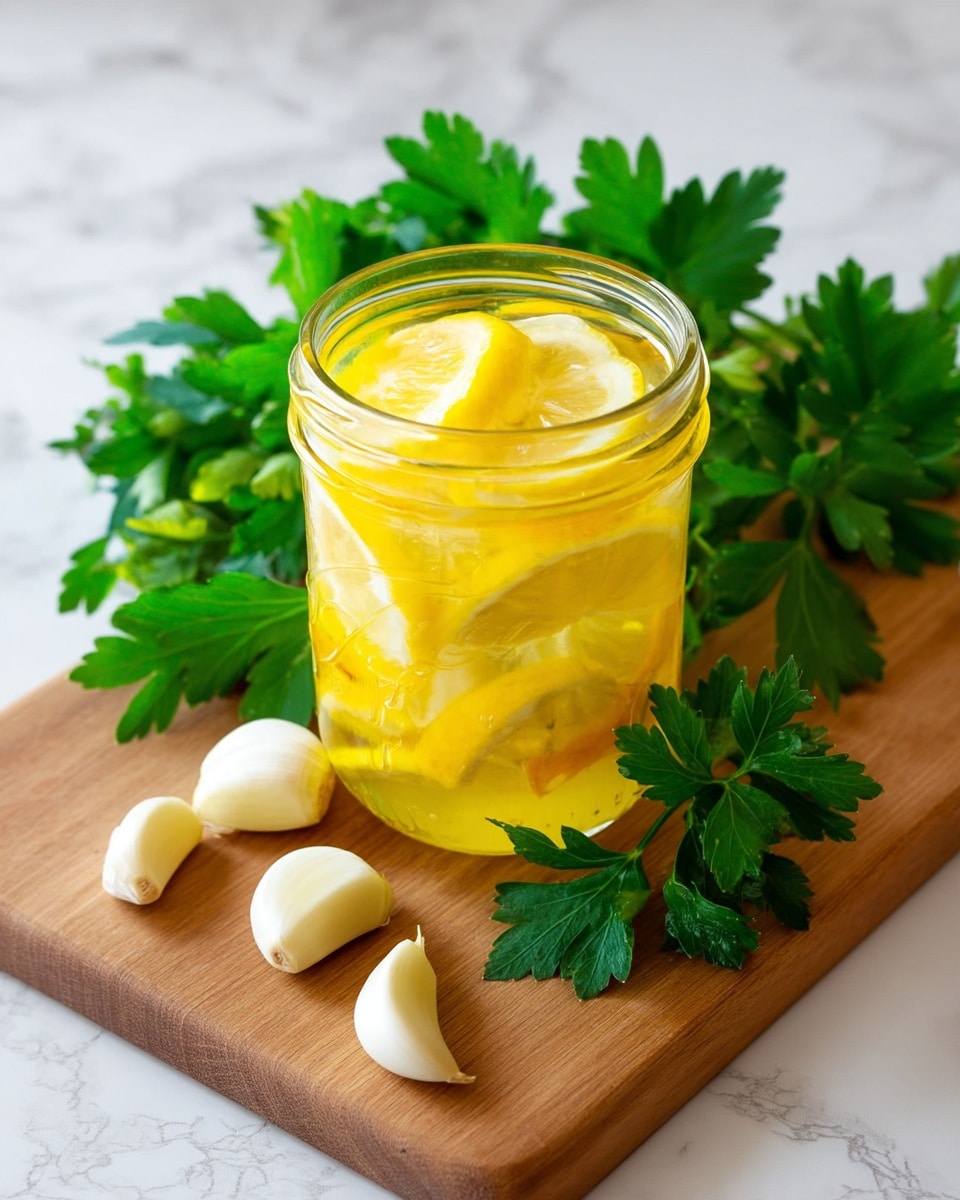
Why You’ll Love Preserved Lemon Gremolata – Fresh, Zesty, and Flavorful Recipe
Quick and easy: I prepare it in just 10 minutes.
Bright and flavorful: I love the bold citrus and fresh herbal flavors.
Simple ingredients: I only need a handful of ingredients.
Versatile: I use it as a sauce, dressing, or garnish.
Naturally vegan: I enjoy this plant-based condiment with many dishes.
Make-ahead friendly: I can prepare it in advance for easy meals.
Ingredients
(Note: All ingredient amounts are listed in the recipe card below.)
1 bunch Italian parsley, chopped finely (about 1 cup packed)
1/4 cup chopped preserved lemons, rind and flesh (or make this version of Gremolata, without preserved lemons)
1/2 cup olive oil
2 fat garlic cloves, finely minced
pepper
chili flakes or aleppo or urfa
Directions
Step 1: Prepare the Ingredients
I finely chop the Italian parsley and preserved lemons, including both the rind and flesh. I mince the garlic cloves.
Step 2: Combine the Ingredients
I place the parsley, preserved lemons, garlic, and olive oil in a bowl. I stir until everything is evenly combined.
Step 3: Season to Taste
I taste the mixture and add pepper and chili flakes as desired. For a stronger citrus flavor, I add more preserved lemon.
Step 4: Adjust and Serve
I add extra olive oil if I prefer a thinner sauce. I serve the gremolata over grilled fish, chicken, roasted vegetables, or pasta.
Servings and Timing
Prep Time: 10 minutes
Cook Time: 0 minutes
Total Time: 10 minutes
Yield: ¾ cup
Category: Condiment
Method: No-cook
Variations
Classic Lemon Gremolata
I replace the preserved lemons with fresh lemon zest and juice for a lighter citrus flavor.
Mint Gremolata
I add chopped fresh mint for a refreshing herbal twist.
Spicy Gremolata
I increase the chili flakes for a bolder, spicier condiment.
Cilantro Gremolata
I replace some of the parsley with cilantro for a different herbal flavor.
Garlic Gremolata
I add an extra garlic clove for a stronger savory taste.
Storage/Reheating
Refrigerator: I store the gremolata in a sealed container for up to 4 days.
Freezer: I freeze small portions for up to 2 months, although the herbs may lose some of their fresh texture.
Reheating: I serve this condiment cold or at room temperature rather than heating it. I stir it well before serving.
FAQs
1. What Is Gremolata?
I describe gremolata as an Italian condiment traditionally made with parsley, garlic, and lemon zest.
2. Can I Use Fresh Lemons Instead of Preserved Lemons?
Yes, I use fresh lemon zest and juice for a brighter, less salty flavor.
3. Can I Eat the Preserved Lemon Rind?
Yes, I use both the rind and flesh because they provide wonderful citrus flavor.
4. What Can I Serve with Gremolata?
I love serving it with grilled fish, chicken, steak, vegetables, beans, and pasta.
5. Can I Make Gremolata Ahead of Time?
Yes, I prepare it in advance and keep it refrigerated until serving.
6. Do I Need to Add Salt?
I usually skip additional salt because preserved lemons are naturally salty.
7. Can I Use a Food Processor?
Yes, I pulse the ingredients briefly, avoiding overprocessing to maintain some texture.
8. How Can I Make Gremolata Less Salty?
I rinse the preserved lemons before chopping them or add more parsley and olive oil.
9. Is Preserved Lemon Gremolata Vegan?
Yes, I use entirely plant-based ingredients, making this recipe naturally vegan.
10. Can I Use Dried Parsley?
I prefer fresh parsley because it provides better flavor, color, and texture.
Conclusion
Preserved Lemon Gremolata is a simple, refreshing condiment that brings bold flavor to countless dishes. I love its tangy citrus notes, fresh herbs, and savory garlic. With minimal preparation, I can create a delicious sauce that makes everyday meals more exciting.
Preserved Lemon Gremolata is a vibrant, zesty condiment made with fresh Italian parsley, tangy preserved lemons, garlic, and rich olive oil. This easy, naturally vegan, no-cook sauce comes together in just 10 minutes and adds bold citrus and herbal flavor to grilled meats, seafood, roasted vegetables, and pasta.
Ingredients
1 bunch Italian parsley, finely chopped (about 1 cup packed)
1/4 cup chopped preserved lemons, including rind and flesh
1/2 cup olive oil
2 large garlic cloves, finely minced
Freshly ground black pepper, to taste
Red chili flakes, Aleppo pepper, or Urfa pepper, to taste
Instructions
Prepare the parsley: Wash the Italian parsley thoroughly and pat it dry with a clean kitchen towel. Remove any thick stems and finely chop the leaves and tender stems until you have approximately 1 packed cup.
Prepare the preserved lemons: Remove any seeds from the preserved lemons and finely chop both the rind and flesh. Measure approximately 1/4 cup. If the preserved lemons are particularly salty, rinse them briefly under cold water before chopping.
Mince the garlic: Peel and finely mince the garlic cloves to ensure their flavor is evenly distributed throughout the gremolata.
Combine the ingredients: Place the chopped parsley, preserved lemons, minced garlic, and olive oil in a medium mixing bowl. Stir thoroughly until all the ingredients are evenly combined.
Season to taste: Add freshly ground black pepper and your preferred chili flakes, Aleppo pepper, or Urfa pepper. Taste and adjust the seasonings as desired. Additional salt is generally unnecessary because preserved lemons are naturally salty.
Adjust the consistency: Add more preserved lemon for a stronger citrus flavor or a little extra olive oil for a thinner, more pourable consistency.
Serve and enjoy: Spoon the preserved lemon gremolata over grilled fish, chicken, steak, roasted vegetables, beans, or pasta. Serve immediately or refrigerate in a sealed container until needed.
Notes
Best parsley: Fresh Italian flat-leaf parsley provides excellent flavor, vibrant color, and a pleasant texture. Curly parsley can also be used if necessary.
Preserved lemon preparation: Both the rind and flesh of preserved lemons are edible and add concentrated citrus flavor. Remove any seeds before chopping.
Control the saltiness: Preserved lemons are naturally salty. Rinse them briefly before chopping if needed, or balance excessive saltiness with additional parsley and olive oil.
Olive oil selection: Use good-quality extra virgin olive oil for a richer, more flavorful condiment.
Classic lemon gremolata: Replace the preserved lemons with fresh lemon zest and lemon juice to taste for a brighter, less salty variation.
Mint gremolata: Add finely chopped fresh mint for a refreshing herbal twist that pairs especially well with grilled vegetables and lamb.
Spicy gremolata: Increase the red chili flakes or add extra Aleppo pepper for a bolder, spicier condiment.
Cilantro gremolata: Replace some of the parsley with fresh cilantro for a different herbal flavor.
Garlic gremolata: Add an extra finely minced garlic clove for a stronger savory taste.
Chili pepper options: Aleppo pepper adds mild, fruity heat, while Urfa pepper provides deeper, smoky, earthy notes. Regular red pepper flakes also work well.
Food processor option: Briefly pulse the parsley, preserved lemons, and garlic in a food processor, then stir in the olive oil. Avoid overprocessing to maintain the traditional chopped texture.
Fresh herbs: Fresh parsley is recommended instead of dried parsley because it provides superior flavor, color, and texture.
Adjust the consistency: Add extra olive oil for a thinner dressing or more chopped parsley for a thicker, spoonable condiment.
Naturally vegan: All the ingredients are plant-based, making this gremolata suitable for vegan and vegetarian diets. It is also naturally dairy-free and gluten-free.
Serving suggestions: Spoon over grilled fish, shrimp, roasted chicken, steak, lamb, roasted potatoes, grilled vegetables, white beans, lentils, grain bowls, or pasta.
Additional uses: Stir into salad dressings, spread over toasted bread, drizzle over hummus, or mix into cooked grains for extra citrus and herbal flavor.
Make-ahead preparation: Prepare the gremolata in advance and refrigerate promptly in a clean, sealed container. Stir thoroughly before serving.
Refrigeration: Store the gremolata in an airtight container in the refrigerator at 40°F (4°C) or below for no more than 4 days.
Garlic and oil safety: Because this condiment contains fresh garlic and herbs in olive oil, do not store it at room temperature. Refrigerate promptly after preparation and return leftovers to the refrigerator after serving.
Freezing: Freeze small portions in an ice cube tray or freezer-safe container for up to 2 months. The parsley may lose some of its fresh texture after thawing.
Thawing: Thaw frozen gremolata in the refrigerator and stir well before using.
Serving temperature: Serve chilled or allow it to come briefly to room temperature just before serving. Refrigerated olive oil may solidify slightly but will become fluid as it warms. Reheating is unnecessary.
Yield note: The listed yield is approximately 3/4 cup, although the actual volume may vary depending on how finely the parsley and preserved lemons are chopped and packed.
Nutrition information: Nutritional values are estimated using the listed yield of 3/4 cup, divided into 12 one-tablespoon servings. Sodium content varies considerably depending on the preserved lemons used and whether they are rinsed.