Why You’ll Love Gochujang Cauliflower Bowl Recipe – Crispy, Spicy, and Easy to Make
Crispy cauliflower: I use my air fryer to create golden, crispy cauliflower without deep frying.
Sweet and spicy sauce: I love the combination of gochujang paste, maple syrup, sesame oil, and rice vinegar.
Fresh ingredients: I add cabbage, edamame, and avocado for a delicious mix of textures.
Quick and easy: I can prepare this bowl in approximately 25 minutes when using cooked rice.
Plant-based meal: I enjoy this satisfying vegetarian bowl without needing meat.
Easy to customize: I can adjust the spice level, swap the rice, or add my favorite vegetables.
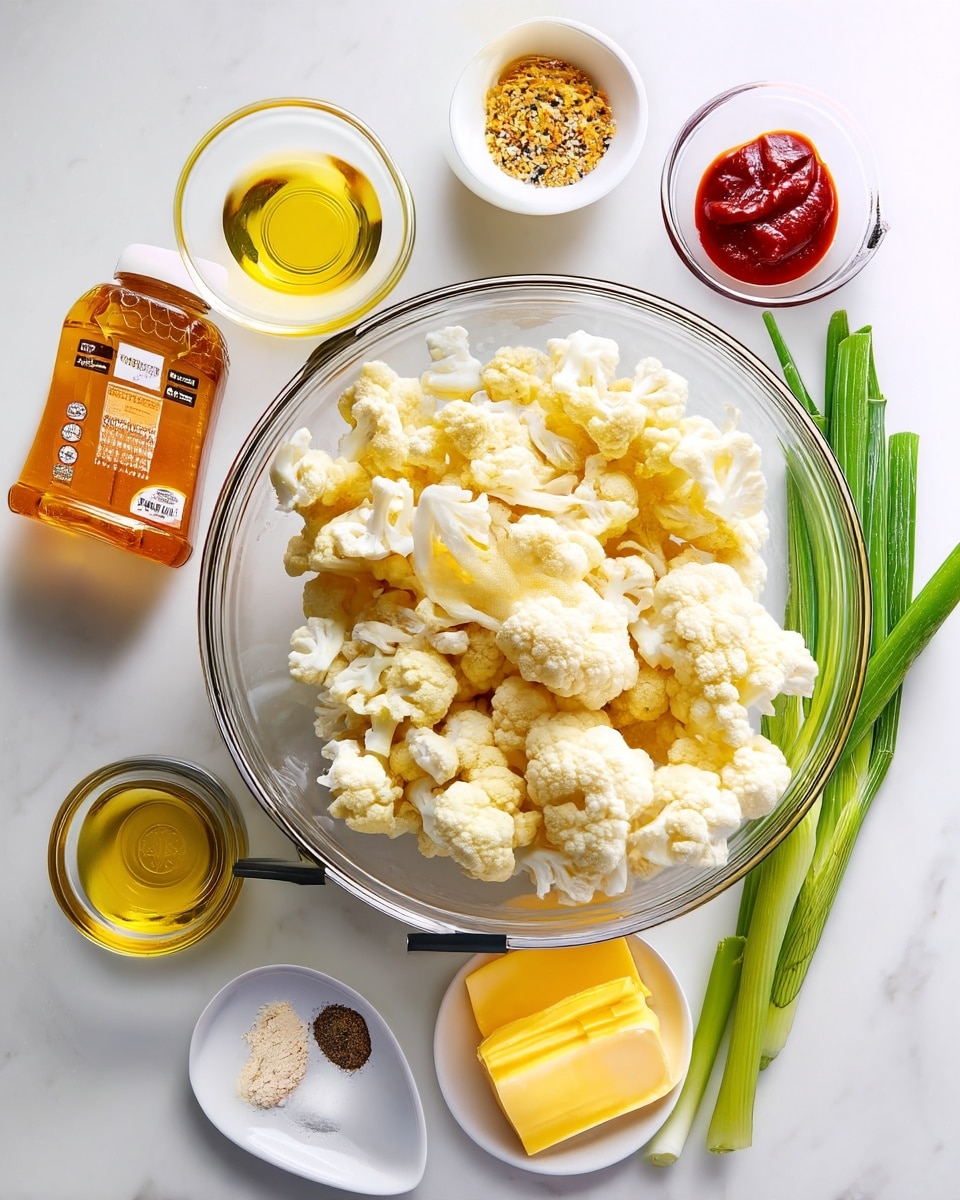
Ingredients
(Note: All ingredient amounts are listed in the recipe card below.)
1 cup cauliflower florets
1 cup cassava flour, gluten free flour, or all-purpose flour
3/4-1 cup water
1 tsp garlic powder
2 tbsp rice vinegar
1/2 tsp salt
1/2 tsp black pepper
1/3 cup edamame, salted
1/2 cup cooked white rice
1/2 cup shredded green cabbage
1/2 cup avocado
1 tbsp sesame seeds
Gochujang Sauce
2-3 tbsp gochujang paste
1½ tbsp rice vinegar
1 tbsp sesame oil
1 tbsp maple syrup
Directions
Step 1: Prepare the Cauliflower Batter
I start by whisking together the flour, water, and garlic powder in a mixing bowl until I have a smooth batter. I add the water gradually to achieve a consistency that coats the cauliflower without becoming too runny.
Next, I add the cauliflower florets and toss them until every piece is completely covered in batter.
Step 2: Air Fry the Cauliflower
I preheat my air fryer to 400°F (200°C) and arrange the battered cauliflower florets in a single layer, leaving enough space between them for air circulation.
I air fry the cauliflower for approximately 10 minutes, flipping halfway through, until the coating is cooked and lightly crispy. If necessary, I cook the cauliflower in batches to avoid overcrowding.
Step 3: Make the Gochujang Sauce
While the cauliflower cooks, I prepare the sauce by combining the gochujang paste, rice vinegar, sesame oil, and maple syrup in a small bowl.
I whisk everything until smooth and well combined. I love how the maple syrup balances the spicy gochujang while the sesame oil adds a delicious nutty flavor.
Once the cauliflower is cooked, I transfer it to a bowl and gently toss it with the gochujang sauce until evenly coated.
Step 4: Prepare the Cabbage Slaw
In a separate bowl, I combine the shredded green cabbage with the rice vinegar, salt, and black pepper.
I toss everything thoroughly and let the cabbage sit for a few minutes to absorb the tangy seasoning.
I enjoy how this simple slaw adds freshness and crunch to the bowl.
Step 5: Assemble the Gochujang Cauliflower Bowl
I start by adding the cooked white rice to the bottom of my serving bowl.
Next, I arrange the seasoned cabbage, salted edamame, and avocado over the rice.
I place the gochujang-coated cauliflower on top, making sure to distribute the sauce evenly.
Finally, I sprinkle sesame seeds over everything and serve immediately.
Servings and Timing
Servings: 1 generous bowl
Prep Time: 15 minutes
Cook Time: 10 minutes
Total Time: 25 minutes
Cooking Method: Air Fryer
Cuisine: Korean-Inspired
Category: Lunch or Dinner
I can prepare this meal in approximately 25 minutes when I have cooked rice and ready-to-eat edamame available. If I need to cook the rice or edamame from scratch, I allow a little extra time.
Variations
Extra Spicy Gochujang Cauliflower Bowl
When I want more heat, I use the full 3 tablespoons of gochujang paste and add a pinch of red pepper flakes. I find that this creates a bolder, spicier sauce.
Mild Gochujang Bowl
For a milder version, I reduce the gochujang paste and add a little extra maple syrup. This helps balance the heat while maintaining the sweet and savory flavor.
Brown Rice Gochujang Bowl
I sometimes replace white rice with brown rice for a nuttier flavor and a heartier texture.
Gluten-Free Gochujang Bowl
I use cassava flour or gluten-free flour for the cauliflower batter and choose a certified gluten-free gochujang paste, since some varieties contain wheat.
Extra Protein Bowl
When I want a more filling meal, I add crispy tofu, tempeh, or extra edamame. I love how these ingredients pair with the sweet and spicy sauce.
Low-Carb Cauliflower Bowl
I replace the white rice with cauliflower rice or extra shredded cabbage for a lighter variation.
Storage/Reheating
Refrigerating Leftovers
I store leftover cauliflower, rice, cabbage, and edamame in separate airtight containers in the refrigerator for up to 3–4 days.
I prefer keeping the avocado separate and slicing it fresh before serving to prevent browning.
Storing the Gochujang Sauce
I refrigerate any leftover sauce in a sealed container for up to 4–5 days, provided it hasn’t come into contact with raw ingredients.
I stir it before using it again because the ingredients may separate slightly.
Reheating in the Air Fryer
To restore some of the cauliflower’s crispiness, I reheat it in my air fryer at 350°F (175°C) for approximately 4–6 minutes, until thoroughly heated.
I prefer reheating the cauliflower separately from the rice and fresh vegetables.
Reheating the Rice
I reheat the rice in the microwave with a small splash of water until steaming hot throughout.
I make sure to refrigerate cooked rice promptly after preparation and avoid leaving it at room temperature for extended periods.
Freezing
I don’t recommend freezing the fully assembled bowl because the cabbage and avocado can lose their texture.
However, I can freeze the cooked cauliflower separately for up to 2 months for best quality, although the coating may become softer after thawing.
FAQs
1. What is gochujang?
I use gochujang, a Korean fermented chili paste, to add a rich combination of spicy, sweet, and savory flavors. It’s the main ingredient that gives this cauliflower bowl its distinctive taste.
2. Is this Gochujang Cauliflower Bowl spicy?
I find the spice level depends on the amount and brand of gochujang paste. I use 2 tablespoons for a milder flavor and 3 tablespoons when I want more heat.
3. Can I make this recipe without an air fryer?
Yes, I can bake the battered cauliflower in a preheated oven at 425°F (220°C) for approximately 20–25 minutes, flipping halfway through, until the coating is cooked and crisp.
4. Can I make this bowl gluten-free?
Yes, I use cassava flour or gluten-free flour and make sure my gochujang paste is certified gluten-free. I also check the labels of any packaged ingredients.
5. Can I prepare this bowl ahead of time?
Yes, I can prepare the rice, cabbage slaw, edamame, and sauce in advance. I prefer cooking the cauliflower shortly before serving for the best crispy texture.
6. What can I use instead of white rice?
I sometimes substitute brown rice, quinoa, cauliflower rice, or rice noodles. Each option gives the bowl a slightly different texture while complementing the gochujang sauce.
7. How do I keep the cauliflower crispy?
I avoid overcrowding the air fryer basket and arrange the cauliflower in a single layer. I also wait until after cooking to toss it in the gochujang sauce.
8. Can I use frozen cauliflower?
Yes, I can use frozen cauliflower, but I thaw it completely and pat it dry before coating it in batter. I find that removing excess moisture helps improve the texture.
9. Is this Gochujang Cauliflower Bowl vegan?
I can make this bowl vegan by choosing a plant-based gochujang paste and checking that all packaged ingredients are free from animal-derived additives. The remaining main ingredients are naturally plant-based.
10. What other toppings can I add?
I love adding sliced green onions, shredded carrots, cucumber, radishes, or extra sesame seeds. I sometimes drizzle a little additional sesame oil over the finished bowl for more flavor.
Conclusion
I love this Gochujang Cauliflower Bowl because it combines crispy, spicy cauliflower with fresh vegetables, creamy avocado, and fluffy white rice in one satisfying meal. The homemade gochujang sauce brings together sweet, tangy, and savory flavors, while the cabbage slaw adds a refreshing crunch.
This Gochujang Cauliflower Bowl features crispy air fryer cauliflower tossed in a sweet and spicy Korean-inspired sauce, served over fluffy white rice with crunchy cabbage slaw, tender edamame, creamy avocado, and sesame seeds. A colorful, satisfying plant-based meal ready in just 25 minutes.
Ingredients
1 cup cauliflower florets
1 cup cassava flour, gluten-free flour, or all-purpose flour
3/4–1 cup water
1 tsp garlic powder
2 tbsp rice vinegar, for the cabbage slaw
1/2 tsp salt
1/2 tsp black pepper
1/3 cup salted edamame, cooked
1/2 cup cooked white rice
1/2 cup shredded green cabbage
1/2 cup avocado
1 tbsp sesame seeds
Gochujang Sauce:
2–3 tbsp gochujang paste
1½ tbsp rice vinegar
1 tbsp sesame oil
1 tbsp maple syrup
Instructions
Prepare the cauliflower batter: In a mixing bowl, whisk together the flour, garlic powder, and 3/4 cup water until smooth. Gradually add more water as needed to create a batter thick enough to coat the cauliflower without dripping excessively.
Coat the cauliflower: Add the cauliflower florets to the batter and toss until every piece is evenly coated.
Air fry the cauliflower: Preheat the air fryer to 400°F (200°C). Arrange the battered cauliflower in a single layer in the air fryer basket, leaving space between the florets. Air fry for approximately 10 minutes, flipping halfway through, until the coating is cooked and lightly crispy. Work in batches if necessary.
Prepare the gochujang sauce: While the cauliflower cooks, whisk together the gochujang paste, 1½ tablespoons rice vinegar, sesame oil, and maple syrup in a small bowl until smooth and well combined.
Coat the crispy cauliflower: Transfer the cooked cauliflower to a clean bowl. Pour the gochujang sauce over the florets and gently toss until evenly coated.
Make the cabbage slaw: In a separate bowl, combine the shredded green cabbage, 2 tablespoons rice vinegar, salt, and black pepper. Toss thoroughly and let sit for a few minutes to absorb the seasoning.
Assemble the bowl: Add the cooked white rice to the bottom of a serving bowl. Arrange the seasoned cabbage, cooked edamame, and avocado over the rice.
Add the cauliflower: Place the gochujang-coated cauliflower over the rice and vegetables, distributing any remaining sauce evenly.
Garnish and serve: Sprinkle sesame seeds over the bowl and serve immediately while the cauliflower is warm and crispy.
Notes
Adjust the spice level: Use 2 tablespoons of gochujang for a milder bowl or 3 tablespoons for extra heat. Add red pepper flakes for an even spicier version.
Make it milder: Reduce the gochujang paste and add a little extra maple syrup to balance the heat.
Gluten-free option: Use cassava flour or certified gluten-free flour and choose certified gluten-free gochujang, since some brands contain wheat.
Vegan option: Choose a vegan-friendly gochujang paste and verify that all packaged ingredients contain no animal-derived additives.
Rice substitutions: Replace white rice with brown rice, quinoa, cauliflower rice, or rice noodles.
Extra protein: Add crispy tofu, tempeh, or additional edamame for a more filling meal.
Low-carb variation: Substitute cauliflower rice or extra shredded cabbage for the white rice.
Additional toppings: Try sliced green onions, shredded carrots, cucumber, radishes, extra sesame seeds, or a drizzle of sesame oil.
Oven method: Bake the battered cauliflower at 425°F (220°C) for approximately 20–25 minutes, flipping halfway through, until cooked and crispy.
Frozen cauliflower: Thaw completely and pat dry before coating with batter to reduce excess moisture.
Keep cauliflower crispy: Avoid overcrowding the air fryer basket and toss the cauliflower with the gochujang sauce only after cooking.
Meal prep: Prepare the rice, cabbage slaw, edamame, and sauce ahead of time. Air fry the cauliflower shortly before serving for the best texture.
Refrigeration: Store leftover cauliflower, rice, cabbage, and edamame separately in airtight containers in the refrigerator for up to 3–4 days. Refrigerate cooked rice promptly. Slice avocado fresh before serving.
Sauce storage: Refrigerate unused gochujang sauce in a sealed container for up to 4–5 days if it has not contacted raw ingredients. Stir before using.
Reheating cauliflower: Reheat in the air fryer at 350°F (175°C) for approximately 4–6 minutes, or until thoroughly heated.
Reheating rice: Microwave refrigerated rice with a small splash of water until steaming hot throughout.
Freezing: Freeze cooked cauliflower separately for up to 2 months for best quality. Freezing the fully assembled bowl is not recommended because cabbage and avocado lose their texture.
Timing: The 25-minute preparation time assumes the rice and edamame are already cooked. Allow additional time if preparing them from scratch or cooking cauliflower in multiple batches.
Nutrition: Nutritional values are approximate per bowl, assuming all the listed batter ingredients are consumed, 2 tablespoons of gochujang, and standard all-purpose flour. Actual values may be lower if batter remains unused and will vary with ingredient brands and substitutions.